

Glycan-Based Treatments: Examining the Capabilities of Glycoscience in Modern Medicine
Introduction
Glycan-elegant therapeutics are gaining traction as a progressive manner in contemporary medicine, with glycoscience rising as a pivotal box. This article delves into the a good number of dimensions of glycosylation, glycoproteomics, and carbohydrate-protein interactions, highlighting their importance in therapeutic programs. With advancements in generation consisting of glycan mapping and glycoengineering, we’re witnessing unprecedented potentialities for drug development and sickness therapy approaches.
Glycan-Based Therapeutics: Exploring the Potential of Glycoscience in Modern Medicine
The tricky global of glycans—sugars that sort systems on proteins and lipids—plays a vital function in organic procedures. Glycans are involved in cellular phone signaling, immune responses, and disorder pathogenesis. Understanding glycosylation pathways and establishing glycan profiling approaches have opened new avenues for healing interventions.
What is Glycosylation?
Glycosylation refers back to the enzymatic strategy in which carbohydrates connect to proteins or lipids. This modification is critical for proper protein folding, balance, and objective. Key avid gamers on this method contain glycosyltransferases, which catalyze the move of sugar moieties onto acceptor molecules.
Types of Glycosylation
Each variety has distinct organic features and implications for therapeutic efficacy.
Glycoproteomics: A Comprehensive Overview
Glycoproteomics combines proteomics with glycomics to study glycoproteins—proteins changed by way of carbohydrate organizations. This discipline is quintessential for figuring out how those adjustments have an effect on cellular functions and affliction mechanisms.
Methods in Glycoproteomics
- Mass Spectrometry for Glycans: Analyzes glycan platforms with high precision.
- Glycan Arrays: Facilitate the exploration of carbohydrate-protein interactions.
- Enzyme-Linked Immunosorbent Assay (ELISA): Utilized for quantifying detailed glycoproteins.
Carbohydrate-Protein Interactions
Understanding carbohydrate-protein interactions is necessary for elucidating organic pathways and arising therapeutics. Lectins—proteins that bind distinct carbohydrates—serve as splendid versions for learning these interactions.
Role of Lectins
Lectins play fabulous roles in phone attractiveness and signaling techniques. Their ability to identify one-of-a-kind glycans makes them necessary methods in investigation and means therapeutic applications.
The Importance of Glycomics
Glycomics specializes in the finished study of glycans inside biological strategies. It encompasses a good number of ways aimed toward characterizing elaborate carbohydrates interested in cellular communication.
Applications of Glycomics
- Identifying biomarkers for sicknesses.
- Understanding immune responses.
- Developing vaccines structured on glycoform research.
Glycan Mapping Techniques
Mapping glycans allows for researchers to imagine their distribution on proteins or cells, offering insights into their realistic roles.
Techniques Used in Glycan Mapping
Advancements in Glycoengineering
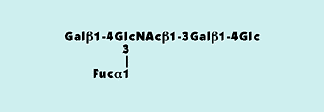
Glycoengineering comes to enhancing glycan structures to enrich healing efficacy or slash immunogenicity. This process is pretty relevant for monoclonal antibodies used in centred cures.
Strategies for Glycoengineering
- Altering sugar composition.
- Modulating branching styles.
- Controlling web page-precise modifications.
Monoclonal Antibodies and Their Relationship with Glycans
Monoclonal antibodies (mAbs) are engineered proteins used noticeably in cure, diagnostics, and analysis. Their effectiveness typically correlates with their glycosylation profiles.
Impact of Glycosylation on mAb Functionality
Different glycoforms can have an effect on mAb steadiness, efficacy, and defense profile, making it standard to optimize their glycosylation throughout construction approaches.
Therapeutic Applications of Glycan-Based Therapeutics
The conceivable purposes of glycan-centered therapeutics span many different scientific fields inclusive of oncology, infectious sicknesses, and autoimmune issues.
Examples of Successful Applications
Challenges in Developing Glycan-Based Therapies
Despite promising advancements, a couple of demanding situations continue to be:
FAQs
1. What are glycans?
Glycans are problematical carbohydrates that include sugar molecules connected collectively; they play indispensable roles in biological techniques like cell signaling and immune response modulation.
2. How does glycosylation have an impact on protein function?
Glycosylation affects protein folding, balance, job tiers, and interactions with different molecules; for this reason influencing basic cell habits and functionality particularly.
three. What thoughts are used for glycan profiling?
Common techniques consist of mass spectrometry for specified structural prognosis, enzyme-related immunosorbent assays (ELISA) for quantification, and microarrays to assess binding affinities among carbohydrates and proteins.
4. What is the magnitude of monoclonal antibodies in remedy?
Monoclonal antibodies are engineered proteins designed to aim detailed antigens; they’ve shown profitable throughout countless healing components caused by their specificity and potential to galvanize Elisa kits immune responses against centred cells or pathogens.
five. What position do lectins play inside the context of glycobiology?
Lectins are proteins that exceptionally bind carbohydrates; they facilitate countless biological procedures such as mobilephone-cellular telephone awareness occasions a must have for immune responses or tissue building mechanisms.
6. How does bioconjugation relate to glycol-structured therapeutics?
Bioconjugation includes chemically linking biomolecules like tablets or imaging sellers to glycans or proteins; this procedure enhances pharmacokinetics while getting better focused on competencies inside therapeutic contexts concerning glycoconjugates or different not easy biologically energetic entities.
Conclusion
In precis, “Glycan-Based Therapeutics: Exploring the Potential of Glycoscience in Modern Medicine” encapsulates an thrilling frontier rich with chances stemming from our working out of glycobiology’s complexities—from essential ideas governing protein adjustments by means of superior engineering methodologies paving pathways in the direction of creative treatment options that cater principally in the direction of uncommon patient desires although addressing challenges related therein nicely moving ahead into next-technology remedies reshaping healthcare landscapes globally!


No Comment